June 2026 Attic Ventilation Guide: Cut DFW Summer Energy Bills Without Replacing the AC
Brandon Fletcher
S&B Roofing & Exteriors
The Real Reason Your Upstairs Is 10 Degrees Hotter
In a typical DFW home, attic temperatures hit 140–160°F by mid-afternoon in June. That heat radiates downward through your ceilings, overworks your AC, and slowly bakes the underside of your shingles. The fix is rarely a new AC — it is almost always ventilation.
The Balanced Ventilation Rule
Code in most DFW jurisdictions requires 1 square foot of net free vent area for every 150 square feet of attic floor, split evenly between intake (soffit) and exhaust (ridge or off-ridge). Most homes built before 2015 fail this test.
Signs Your Attic Is Under-Ventilated
Ventilation Options Ranked for DFW Homes
Common Mistakes We See in DFW Attics
Quantifying the Payback
Correcting attic ventilation can help lower summer cooling costs, reduce heat buildup in upper floors, and keep shingles within manufacturer ventilation requirements.
Bundle With Your Next Roof
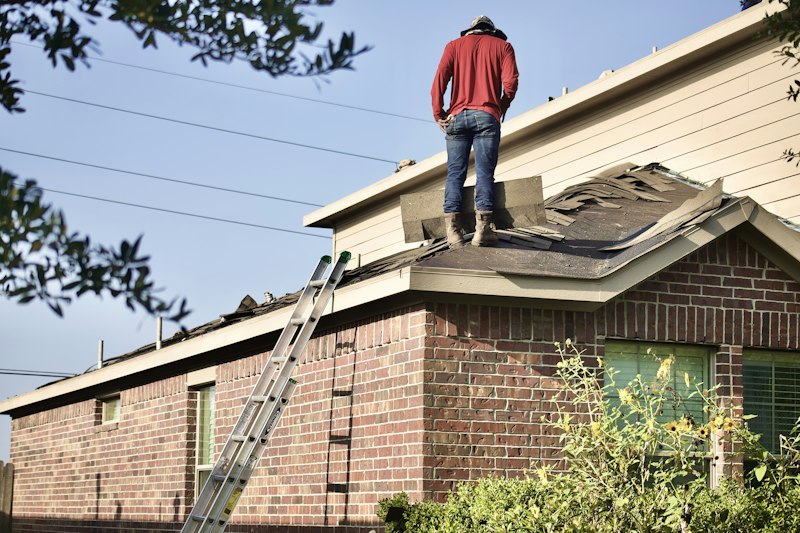
If you are within five years of a roof replacement, fix ventilation at the same time. Tearing into an existing roof to add vents later costs 3–4x as much.
Want a free attic ventilation assessment? S&B Roofing inspects ventilation on every roof estimate at no charge.
See our roof inspection page.