Tornado Alley 2026: Protecting Your DFW Roof From Severe Weather Events
Brandon Fletcher
S&B Roofing & Exteriors
DFW Is Ground Zero for Severe Weather
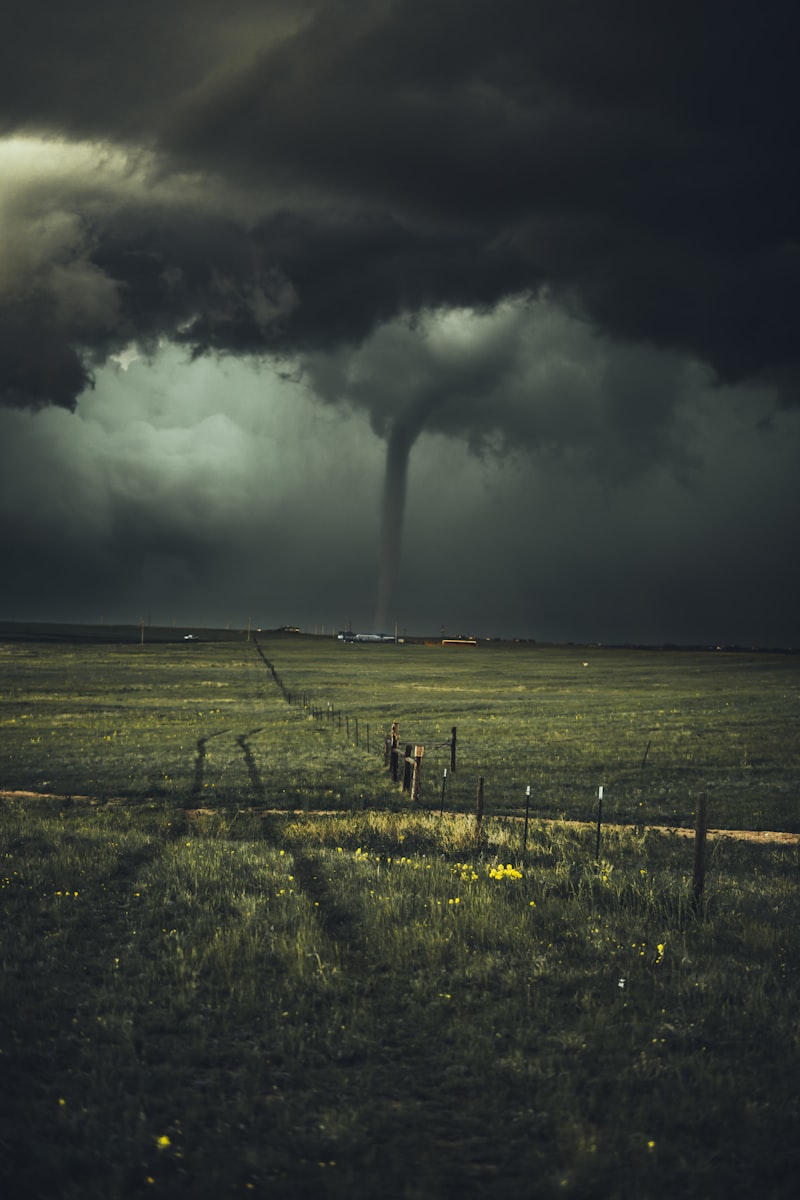
The Dallas-Fort Worth Metroplex sits at the southern edge of Tornado Alley and the eastern edge of Hail Alley — meaning we get the worst of both. April through June consistently delivers EF1+ tornadoes, straight-line winds exceeding 80 mph, and supercell thunderstorms. Your roof is the first line of defense.
Understanding the 2026 Forecast
NOAA and the Storm Prediction Center are projecting an active 2026 severe weather season for North Texas, driven by a transitioning ENSO pattern and persistent Gulf moisture. Translation: expect more storms, stronger storms, and a longer storm window than recent years.
How Roofs Fail in High Winds
Wind doesn't typically rip a roof off in one event — it works in stages:
Wind Resistance Ratings That Matter
Not all shingles handle DFW winds equally:
The Six-Nail Pattern
Building code requires four nails per shingle, but six-nail installation increases wind resistance by approximately 40%. S&B Roofing installs six nails on every shingle as standard — most contractors don't.
Starter Strips and Edge Protection
The perimeter of your roof is where wind damage starts. Proper installation requires:
Impact-Resistant Upgrades
Tornado debris causes more roof damage than the wind itself. Class 4 impact-resistant shingles are designed to withstand 2-inch steel ball impacts at terminal velocity — equivalent to large hail and most flying debris.
Bonus: Texas insurance carriers offer 10-30% premium discounts for Class 4 shingles, often paying for themselves within 5-7 years.
Ridge Vents vs. Box Vents in High Winds
Box vents are notorious failure points in tornadic winds. Continuous ridge ventilation is more aerodynamic, eliminates dozens of penetration points, and improves attic airflow simultaneously. If you still have box vents, plan to upgrade them at your next replacement.
The Tornado-Ready Roof
Here's the full specification we recommend for DFW homes built or replaced in 2026:
What to Do Right Now
If your roof is more than 15 years old or you have any concerns about wind readiness, schedule a free condition report. We'll assess wind resistance, ventilation, and edge integrity — and tell you honestly whether you need a replacement or just targeted upgrades.
Don't wait for the first tornado warning of 2026. Contact S&B Roofing today and storm-proof your home.