Getting a DFW Roof Ready for Fall and Winter
Brandon Fletcher
S&B Roofing & Exteriors
Why Fall Is the Practical Time to Look at a Roof
Most North Texas homeowners think about their roof in spring, because that is hail season and that is when everyone else is calling a roofer. Fall is the quieter and often more useful time to deal with it.
The weather is mild enough to work in, contractor schedules are less backed up than they are in the weeks after a storm wave, and anything the inspection turns up can be repaired on a normal timeline instead of an emergency one. A cracked pipe boot or a loose piece of flashing found in October is a small repair. The same defect found in January, after a freeze has pushed water into it, is a leak inside the house. Dealing with roof work in the fall buys you that margin.
What Summer Does to a Roof in North Texas
A DFW summer does not usually damage a roof in a single dramatic event. It wears it down, and the mechanism matters more than the symptoms.
None of these produce a leak the week they start. They weaken the roof so that the next storm, or the first hard freeze, finds the weak point.
Spring Storm Damage That Went Unnoticed
Hail bruising is often not visible from the ground. A shingle can take a hit, lose granules over the bruise, and have its reinforcing mat weakened without cracking — from the driveway the roof still looks fine.
That kind of damage can sit for months without a symptom. Then a fall rain or a winter freeze finds the softened spot, and the leak shows up on a ceiling with no obvious connection to a storm that happened in April. If your neighborhood was in the path of hail this spring and no one has been on the roof since, it is worth documenting the roof's condition before the weather turns. Our guide on telling hail damage from normal wear explains the difference in more detail.
Gutters and Drainage Before the Leaves Drop
Gutters do most of their failing in October for a simple reason: they were already partly compromised by summer. Granules from aging shingles, dust, and storm debris narrow the channel, and then the leaves come down and finish the job.
Before the leaves drop, confirm the gutters are still anchored firmly, watch where the downspouts discharge during a rain, and clear out anything that has already collected. Water that leaves the roof quickly and lands where it should is doing its job.
Attic Ventilation Going Into Winter
Ventilation gets talked about in summer, when a hot attic drives up cooling bills. Winter is the other half of the problem, and it gets less attention.
A poorly ventilated attic traps warm, humid air that migrates up from the living space. When that air contacts a cold roof deck, it condenses — moisture forms on the underside of the decking, insulation gets damp and loses effectiveness, and during a hard freeze the coldest edges of the attic can develop frost. That moisture can rot decking and support mold long before any of it shows up as a stain on the ceiling.
The intake and exhaust balance that matters in summer matters in winter too, and we covered how to evaluate it in our attic ventilation guide.
What to Check From the Ground, and What Needs Someone on the Roof
A homeowner can cover a surprising amount from the ground, safely:
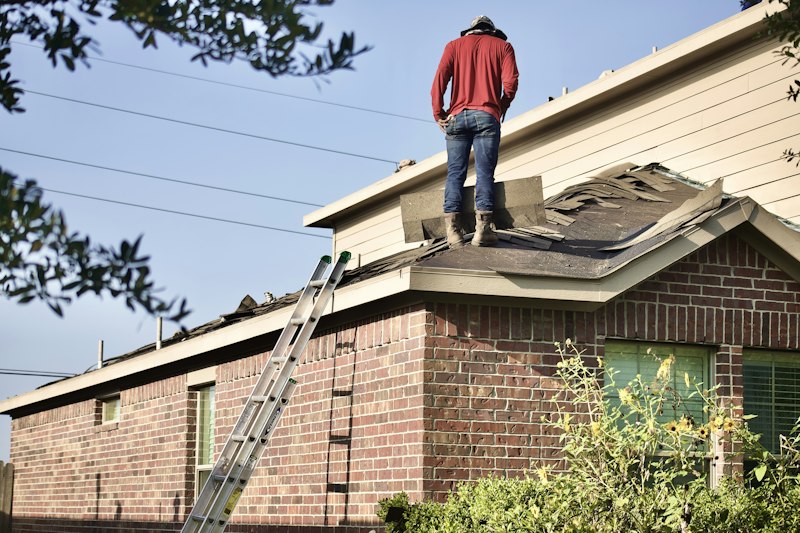
Other things genuinely require someone on the roof. Hail bruising, the condition of flashing at chimneys, valleys, and wall transitions, the state of sealant at penetrations, and the decking around vents are difficult or impossible to judge from the ground — and walking a wet or steep roof is its own risk, which is why we do not recommend homeowners climb up to check.
S&B Roofing & Exteriors provides free, no-obligation roof inspections with a photo-documented written report, so you know exactly what shape your roof is in before winter. Schedule an inspection if you would like yours documented this fall.